Thermoforming Molds and Plastic Cup Molds Matched to Your Machine
A thermoforming mold is project-specific tooling that must match the finished product, plastic material, cavity layout, cooling design, cutting method and machine interface. WEIXIN supplies plastic cup molds, food-container and tray molds, lid molds, vacuum-forming molds and matched cutting dies based on an approved sample or drawing. Exact mold size, cavity quantity and material grade are confirmed only after the product and machine are checked.
Applications: Plastic cups, Food containers, Plastic trays, Cup and bowl lids, Blister packaging, Custom vacuum-formed parts
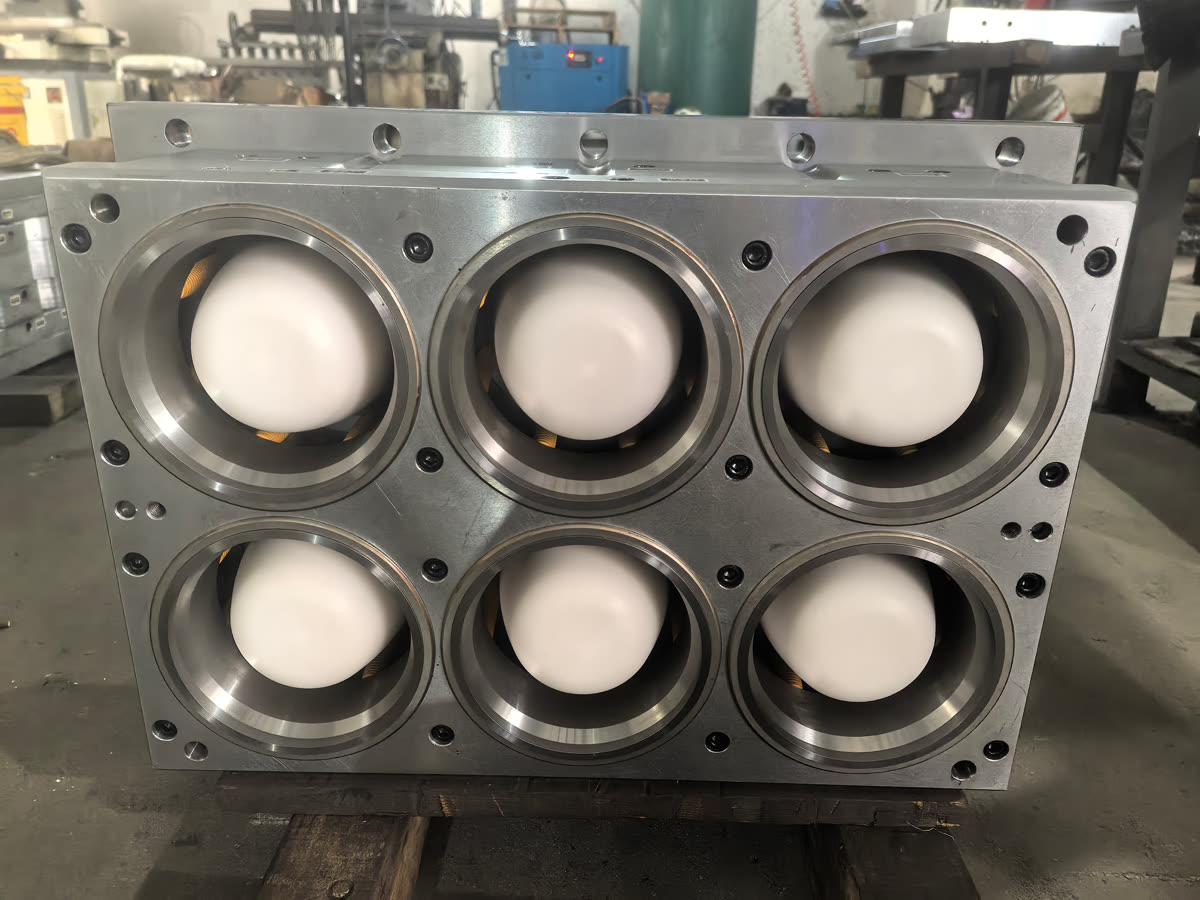
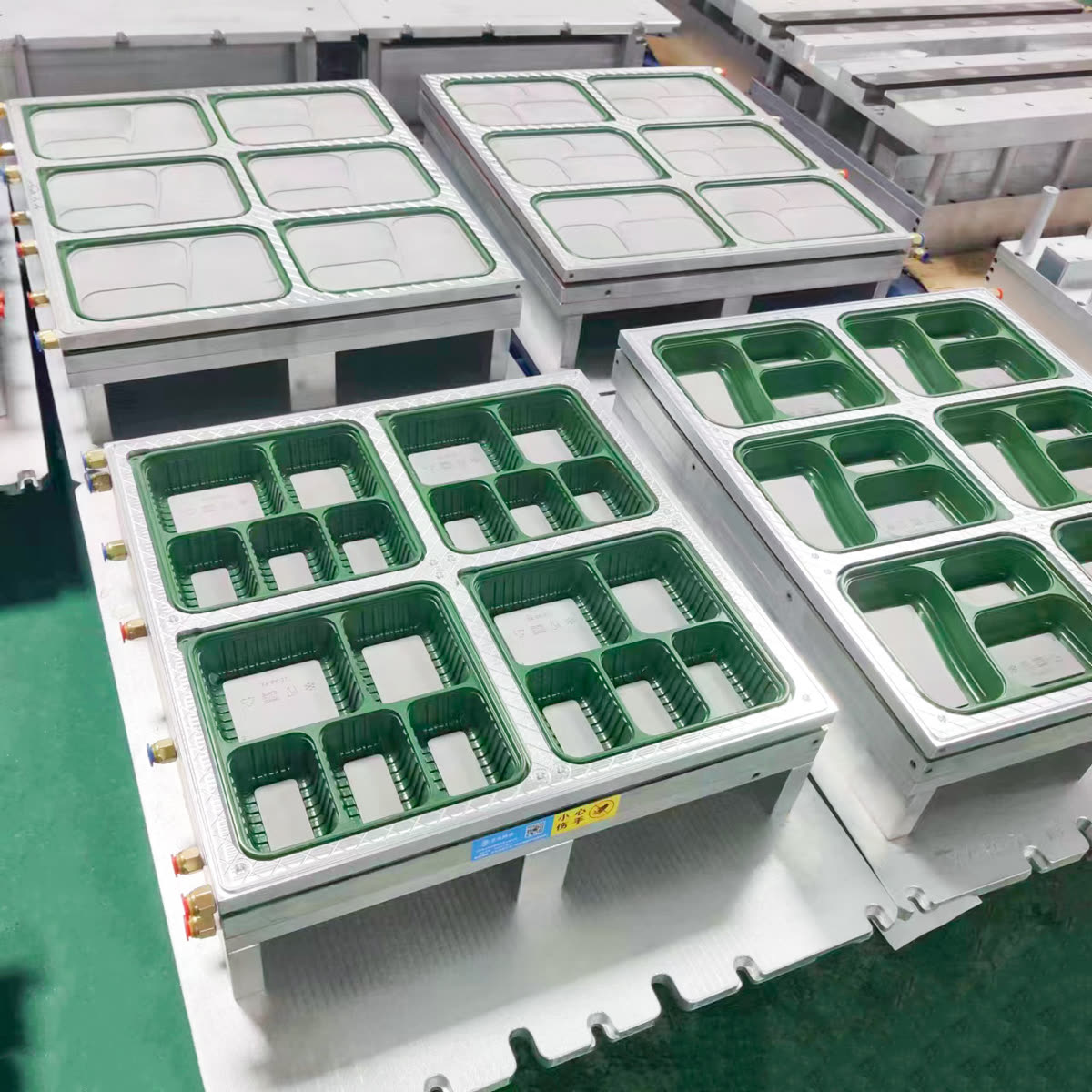
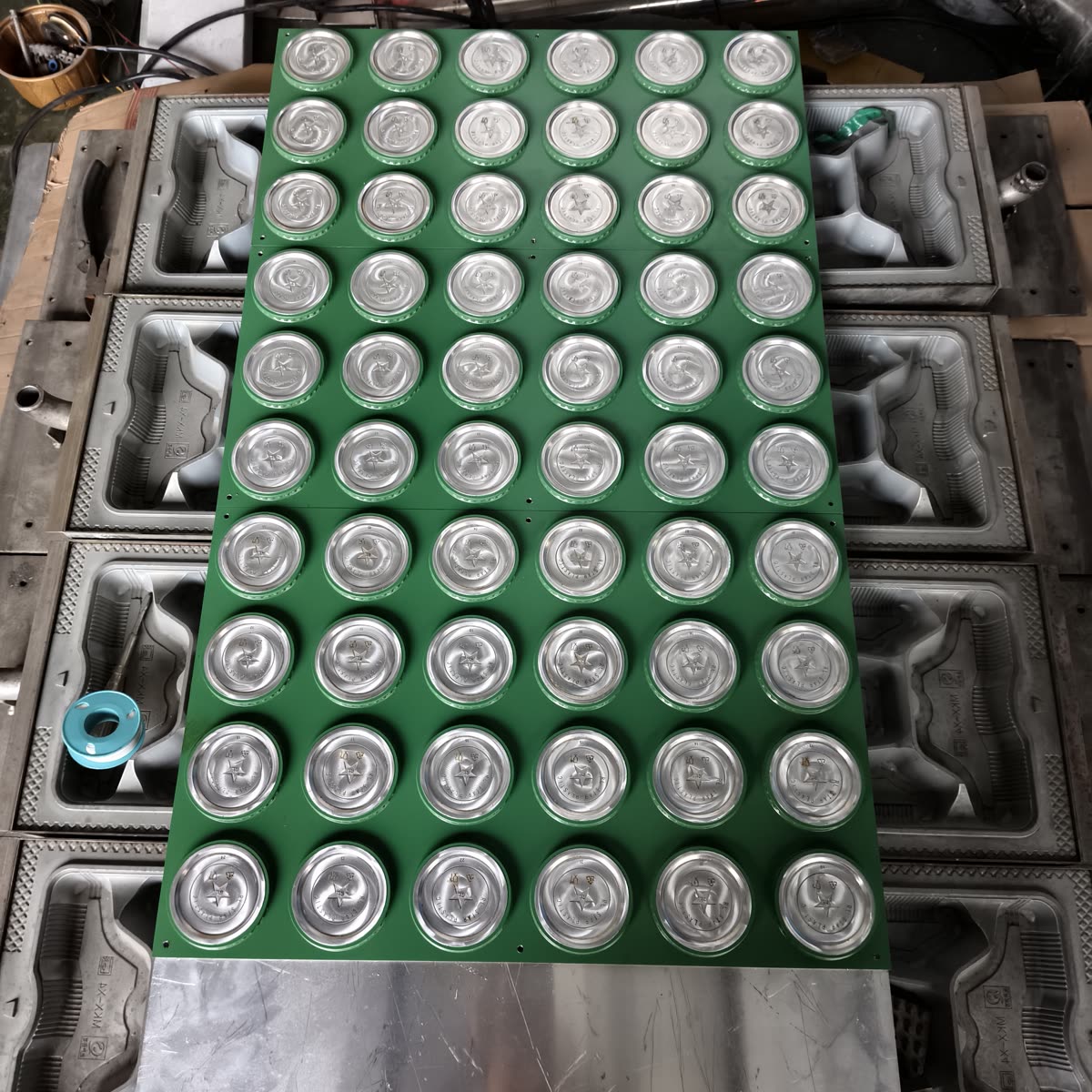
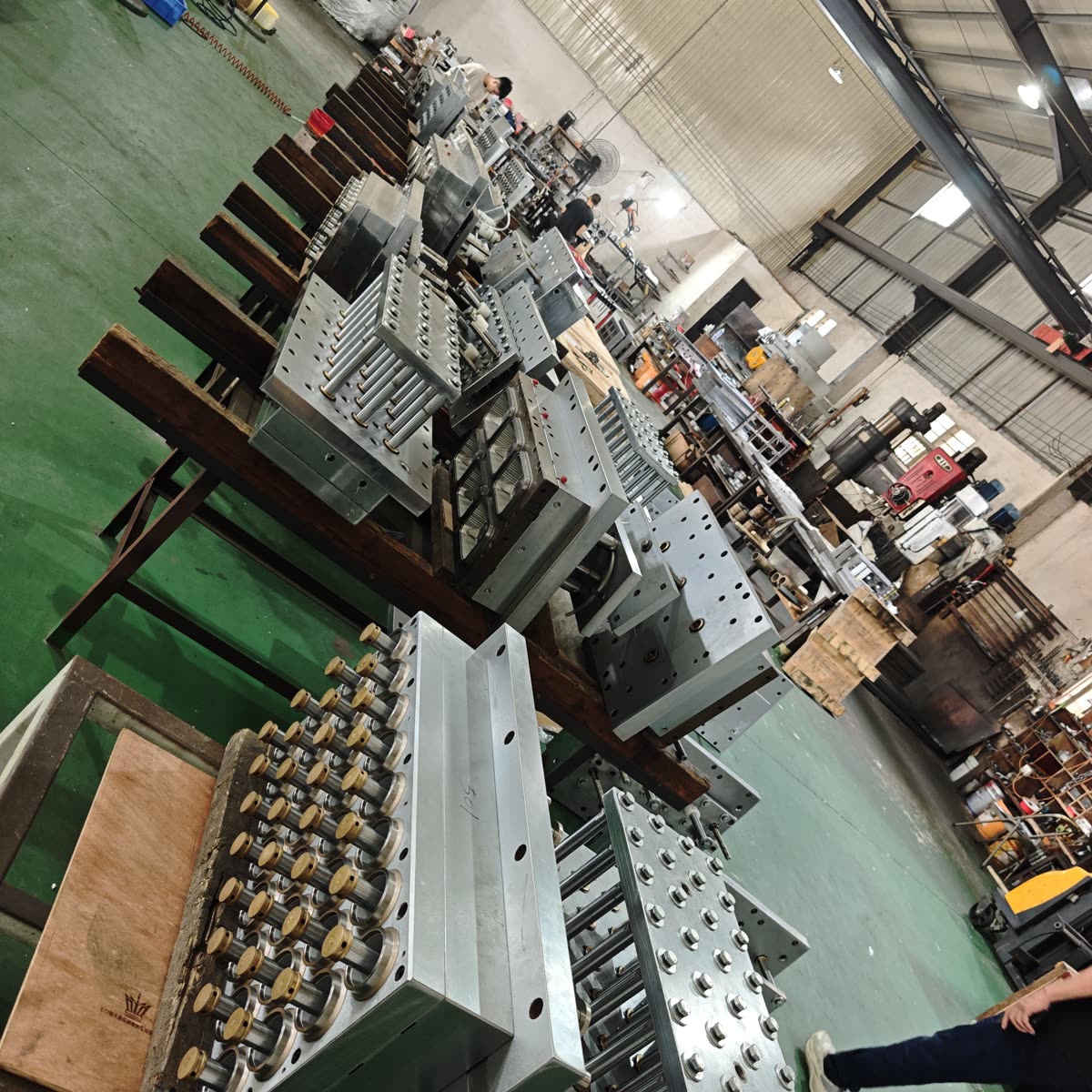
Mold Types and Workshop Details
From Product Sample to Mold Trial
01
Product Review
Review the physical sample, drawing, dimensions, material and sheet thickness.
02
Machine Matching
Check forming area, sheet width, interface, cooling and cutting method.
03
Cavity & Tooling Plan
Plan cavity layout, mold structure and matched cutting die around the target output.
04
Drawing Confirmation
Confirm the project drawing and acceptance requirements before manufacturing.
05
Trial & Evidence
Arrange fit checking or sample production according to the agreed machine-and-mold project scope.
Evidence Before Order and Shipment
Real Tooling Photos
Buyers can review actual cup, container, tray and vacuum-forming mold images.
Machine + Mold Matching
Tooling is evaluated together with the forming machine instead of quoted as an isolated part.
Sample-Based Engineering
A physical sample, approved drawing or 3D file can be used as the project basis.
Pre-Shipment Confirmation
Product samples, inspection photos or video confirmation can be arranged for the agreed project.
Company profile and supplier information can be reviewed on Alibaba.com. Relevant CE and inspection documents are available according to the selected machine and project scope.
Information Required Before Mold Design
- Send the finished product sample, drawing or clear dimensions, including length, width, height, diameter and forming depth.
- Confirm the plastic material, sheet thickness and expected product weight because these affect forming and cooling design.
- Provide the machine model, forming area and interface details so the mold and cutting system can be matched correctly.
- Confirm the target output before fixing cavity layout; more cavities are not automatically better if heating, cooling or cutting becomes unstable.
- Arrange sample or trial-product acceptance before shipment when the mold is supplied with a machine project.
Machine Matching
Is This the Right Machine?
Best for buyers who need project-specific tooling for cups, food containers, trays, lids, blister packs or vacuum-formed parts.
A mold cannot be selected from the product name alone. The product drawing or sample, material, sheet thickness and machine interface must be checked first.
Before Quotation
Information We Need
- Product photo, drawing or sample
- Product size, forming depth or diameter
- Material type such as PP, PS, PET, PLA or PVC
- Sheet thickness and product weight target if available
- Target output or daily production plan
- Mold cavity quantity or product layout requirement
- Factory voltage and destination port
- New machine or tested used machine preference
Related Solutions
Compare Before You Buy
- Plastic Cup Making Machine - for deep cup and bowl mold matching
- Three-Station Thermoforming Machine - for container, tray, lid and clamshell molds
- Vacuum Forming Machine - for blister, insert and custom tray molds
Which Plastic Packaging Machine Should You Choose?
Buyers often search by final product instead of machine name. Use this table to match disposable cups, food containers, blister packaging and sheet production with the correct machine direction.
| Buyer Product | Suitable Machine | Why It Fits |
|---|---|---|
| Disposable plastic cups, bowls and yogurt cups | Plastic Cup Making Machine | Best for deep round cup forming with matched cup molds, cutting and automatic stacking. |
| Food containers, trays, lids, clamshell boxes and fruit boxes | Three-Station Thermoforming Machine | Combines forming, cutting and stacking in one automatic line for packaging production. |
| Blister packaging, inserts, sample trays and custom shallow parts | Vacuum Forming Machine | Uses heated sheet and vacuum suction for trays, blister shapes and packaging inserts. |
| PP, PS or PET sheet rolls for cups, containers and trays | Sheet Extrusion Line | Produces upstream thermoforming sheet and helps control material cost and thickness stability. |
Technical Specifications
- tooling: Plastic Cup Mold; input: Cup sample or drawing; matching: Cup making machine; output: Cups and deep round products
- tooling: Food Container / Tray Mold; input: Product drawing and cavity plan; matching: Three-station thermoforming machine; output: Containers, trays, lids and clamshells
- tooling: Vacuum Forming Mold; input: Product sample or 3D drawing; matching: Vacuum forming machine; output: Blister packs, inserts and custom trays
- tooling: Cutting Die / Knife Die; input: Confirmed forming layout; matching: Matched forming and cutting system; output: Clean product edges and stable cutting
Auxiliary Equipment
Cooling layout, Cavity layout, Cutting die, Sample trial, Machine-interface check
Buyer FAQ
Can you make a thermoforming mold from a physical sample?
Yes. A physical sample, approved drawing or 3D file can be used as the project basis. Final mold details still require material, thickness, machine and output confirmation.
Do cup molds and food-container molds use the same design?
No. Deep round cups, flatter containers, trays, lids and vacuum-formed parts use different forming, cooling, cutting and machine-matching logic.
How is the mold cavity quantity decided?
Cavity layout depends on product dimensions, machine forming area, sheet width, target output, heating balance, cooling and cutting method.
Can the mold be tested with the machine before shipment?
For matched machine and mold projects, trial production and product checking can be arranged according to the agreed acceptance plan.
What should I send for a mold quotation?
Send the product sample or drawing, dimensions, material, sheet thickness, target output and the machine model or forming area.