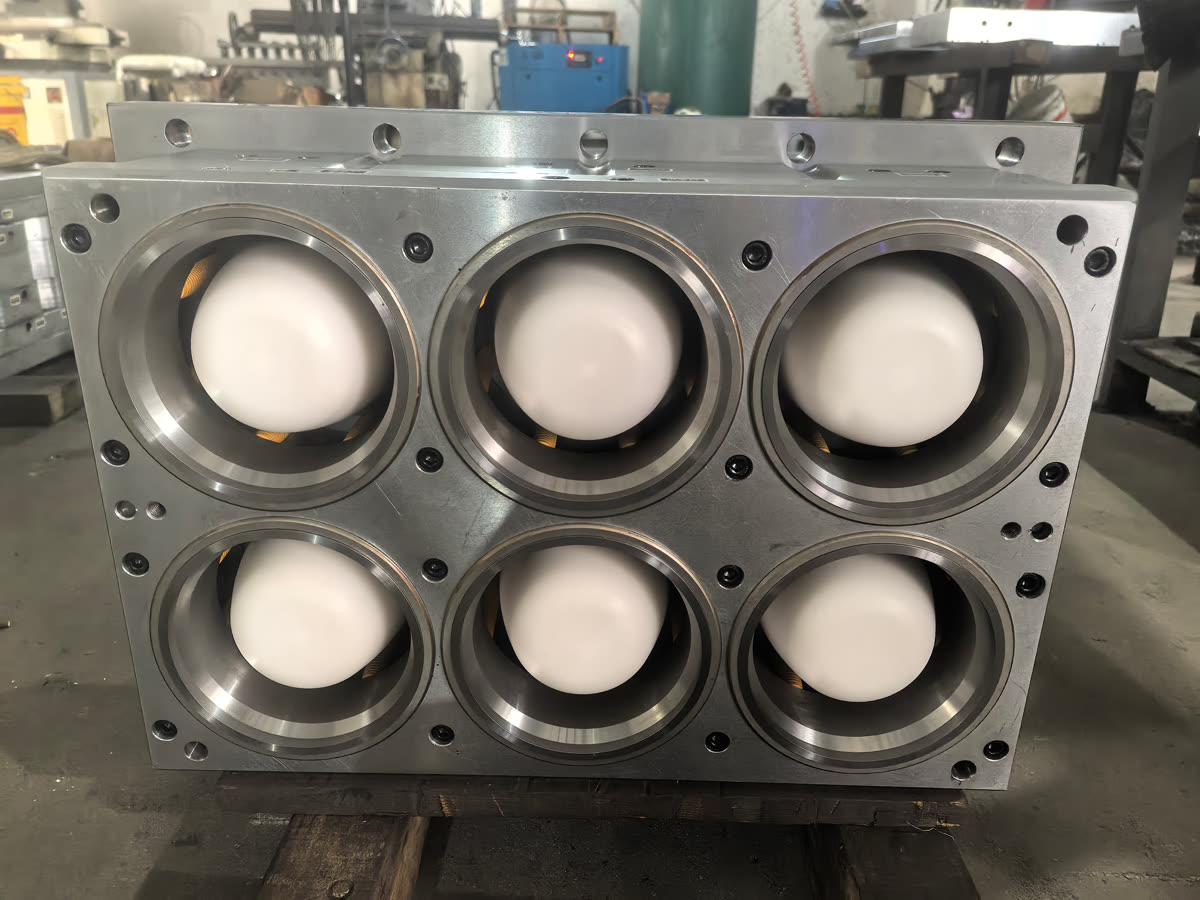
Learn what buyers should provide before requesting a plastic cup mold, food-container mold, tray mold or vacuum-forming mold quotation.
A thermoforming mold is not a standard accessory selected only by product name. The mold must match the finished product, plastic material, sheet thickness, target output and the interface of the forming machine. A clear mold request helps the supplier confirm cavity layout, cooling, cutting and trial-production requirements before quotation.
What to Send Before Requesting a Mold Quotation
Prepare the following information:
- A physical product sample, approved drawing or clear product photos.
- Product dimensions, including length, width, height, diameter and forming depth.
- Plastic material such as PP, PS, PET, HIPS, PLA or another confirmed material.
- Sheet thickness and the expected product weight when available.
- Target output and preferred cavity quantity if already evaluated.
- Machine model, forming area, sheet width and available interface details.
If the forming machine has not been selected, send the product information first. The supplier can then compare a plastic cup making machine, three-station thermoforming machine or vacuum forming machine before fixing the mold direction.
Why the Machine Interface Matters
The same food container or cup cannot be moved between every thermoforming machine without checking the forming area, clamping arrangement, sheet feeding, cutting method and available cooling. A mold drawing should therefore be confirmed together with the machine information rather than treated as an isolated part.
For deep round cups and bowls, the tooling is normally matched to a cup making machine. Food containers, trays, lids and clamshells are usually matched to a three-station forming and cutting line. Blister packs, inserts and custom trays may use vacuum-forming molds when vacuum forming fits the required shape and production method.
How Cavity Layout Is Decided
More cavities do not automatically create a better mold. Cavity quantity must fit the product dimensions, machine forming area, sheet width, heating balance, cooling capacity, cutting layout and target cycle. An overloaded layout may reduce forming consistency or make cutting and product removal more difficult.
The correct sequence is product confirmation, machine-interface checking, cavity planning, mold drawing approval and trial-production acceptance.
What Buyers Should Check During Mold Acceptance
When the mold is supplied with a machine project, the acceptance plan can include:
- Fit between mold and machine interface
- Product dimensions and visible forming quality
- Cutting edge and product release
- Cooling performance during repeated cycles
- Stability of cavity-to-cavity product shape
- Finished sample confirmation before shipment
Factory test photos or video help overseas buyers review the result when an on-site inspection is not convenient. See the complete thermoforming molds and cup molds page for tooling types and quotation inputs.
FAQ
Can a mold be made from a physical sample?
Yes. A physical sample, approved drawing or 3D file can be used as the project basis. Material, sheet thickness, machine and output still need confirmation before the final design.
Can one mold fit different thermoforming machines?
Not automatically. Machine forming area, interface, feeding, cutting and cooling conditions must be checked before compatibility is confirmed.
What is needed for a cutting die quotation?
Provide the confirmed product or forming layout, material, sheet thickness, machine/cutting system and the required finished edge.
Request a Mold Evaluation
Send the product sample or drawing, dimensions, material, sheet thickness, target output and machine information. WEIXIN can review the mold direction together with the machine and production-line configuration.